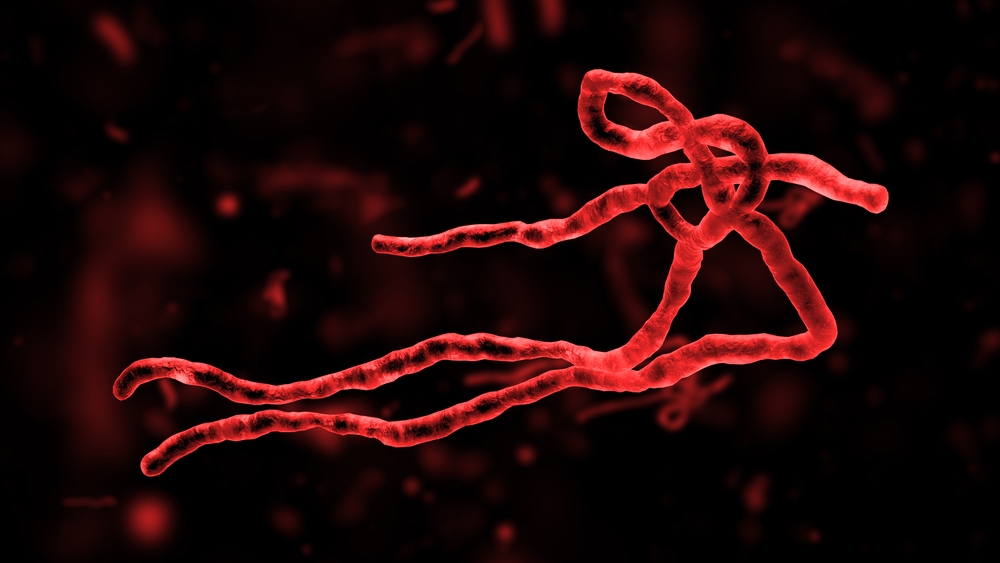
Ebola virus disease (EVD) is a severe disease caused by Ebola virus, a member of the filovirus family, which occurs in humans and other primates. The disease emerged in 1976 in almost simultaneous outbreaks in the Democratic Republic of the Congo (DRC) and Sudan (now South Sudan).
Between 1979 and 1994 no cases or outbreaks were detected, however since that time outbreaks have been recognized with increasing frequency. The largest outbreak to date took place in West Africa between March 2014 and June 2016, affecting primarily Guinea, Liberia and Sierra Leone. Over 28,000 cases were recorded.
The most recent EVD outbreak has been ongoing in the Democratic Republic of Congo since August 2018. As of 25 July 2019, there have been over 2,600 confirmed and probable cases.
There are 6 species of Ebola virus, 4 of which have caused disease in humans:
- Zaïre ebolavirus (EBOV)
- Sudan ebolavirus (SUDV)
- Tai Forest (TAFV) (formerly known as Ebola Ivory Coast)
- Bundibugyo ebolavirus (BDBV)
- Reston ebolavirus (RESTV)
- Bombali ebolavirus
In Africa between 1976 and 2014, outbreaks of EVD primarily occurred in remote villages close to tropical rainforests in Central and West Africa. Most confirmed cases were reported from the Democratic Republic of the Congo (DRC, formerly Zaire), Sudan, Gabon, Uganda, and the Republic of Congo.
In 2014, Ebola outbreaks occurred for the first time in West Africa (Guinea, Liberia and Sierra Leone), and in these countries there was intense transmission in urban areas. Associated with this extensive outbreak, Ebola cases were imported into Italy, Nigeria, Mali, Senegal, Spain, the UK and the USA.
Source: GOV.UK